Lily Or Lilly is a common spelling question that confuses many writers. At first glance, both words look correct. However, they are not always interchangeable. The difference usually depends on whether you are talking about a flower, a person’s name, or a brand name.
Many people see both spellings online and assume they mean the same thing. This creates confusion in writing, school assignments, social media posts, and professional documents. Understanding the correct usage helps improve spelling accuracy and communication. In this guide, you will learn the meaning of each word, the key differences, common mistakes, usage examples, and the correct spelling for different situations.
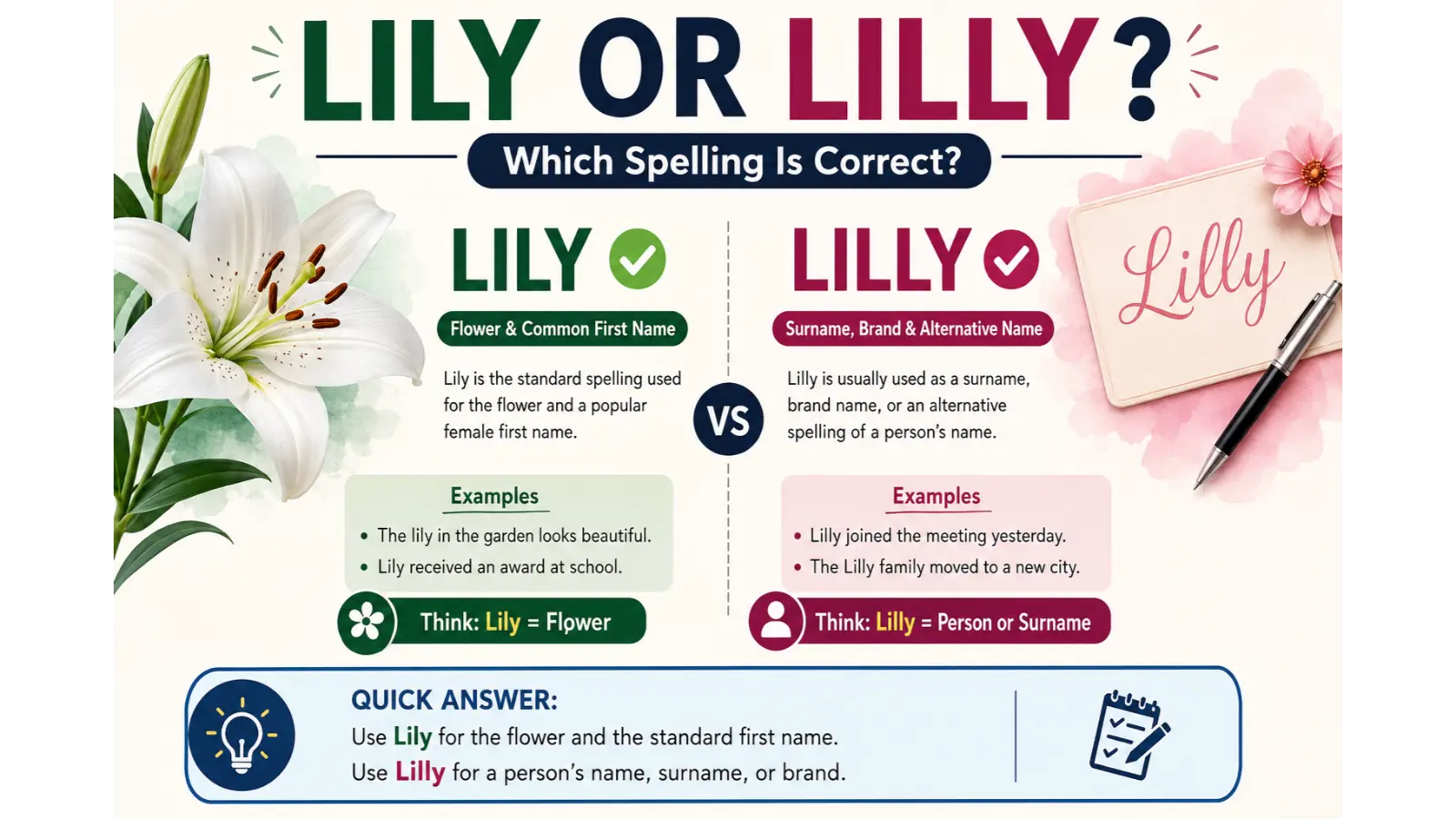
Quick Answer (for Google Snippet)
Lily is the standard English spelling for the flower and is also a common female name. Lilly is mainly used as a surname, brand name, or an alternative personal name spelling.
Example:
✅ The lily flower blooms in spring.
✅ Lilly is my friend’s first name.
Meaning of Lily
Lily is a flowering plant known for its beautiful petals and fragrance. It is also used as a girl’s first name.
Examples
- The lily in the garden looks beautiful.
- Lily received an award at school.
Meaning of Lilly
Lilly is usually a surname, company name, or an alternative spelling of a person’s first name.
Examples
- Lilly joined the meeting yesterday.
- The Lilly family moved to a new city.
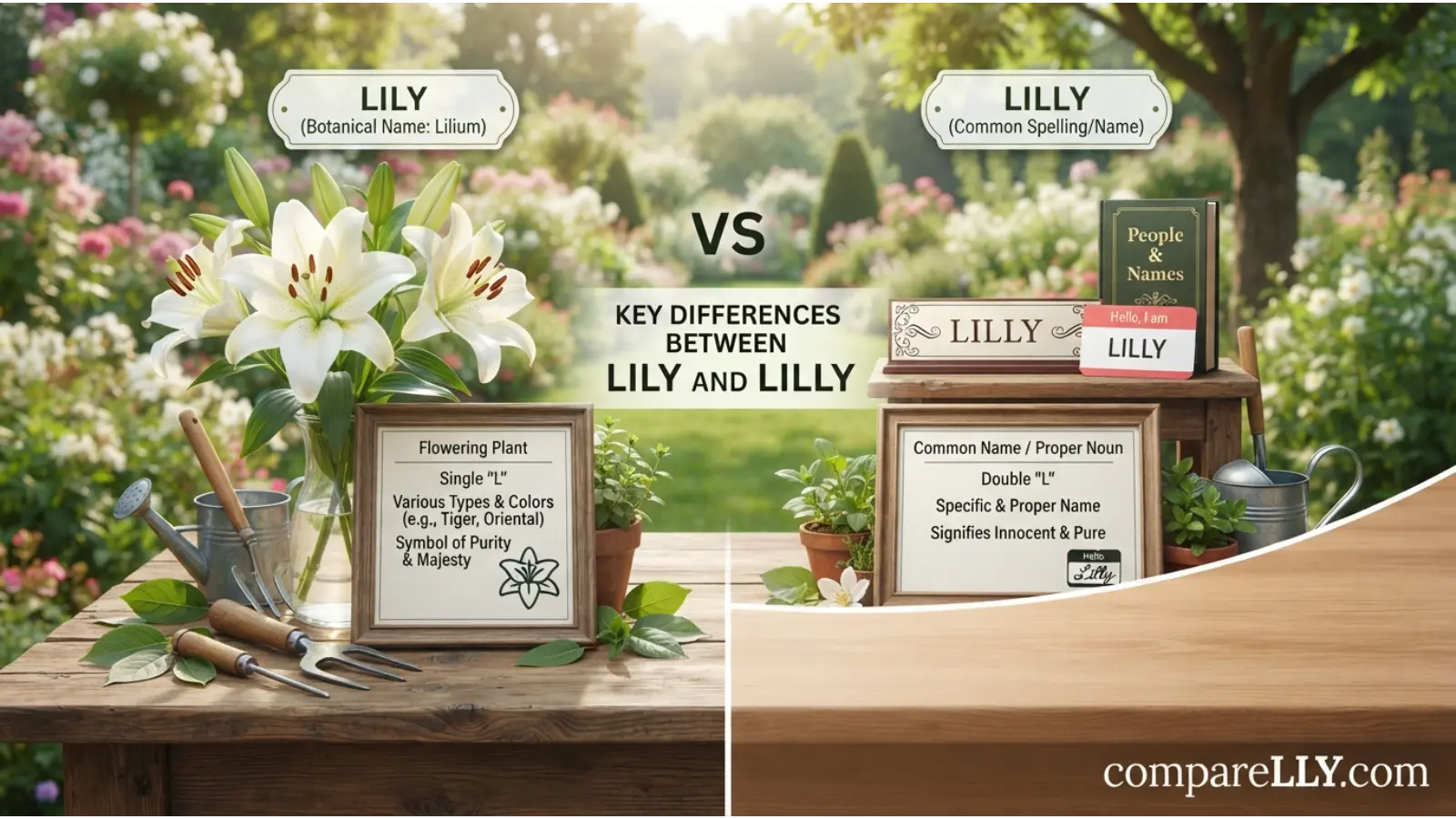
Key Differences Between Lily and Lilly
| Feature | Lily | Lilly |
|---|---|---|
| Meaning | Flower and common first name | Surname, brand, alternative name spelling |
| Tone | Standard and traditional | Personal or branded spelling |
| Usage | More common | Less common |
| Popularity | Very high | Moderate |
| Dictionary Recognition | Standard word | Mainly proper noun |
Origin and History
The word Lily comes from the Latin word lilium, which refers to the lily flower. Over time, it became a popular female name because of its beauty and symbolism.
Lilly developed mainly as a surname and later became a personal name variation in some regions.
Similar Examples
- Ann vs Anne
- Sara vs Sarah
- Catharine vs Katherine
- Lily vs Lilly
British English vs American English Spelling
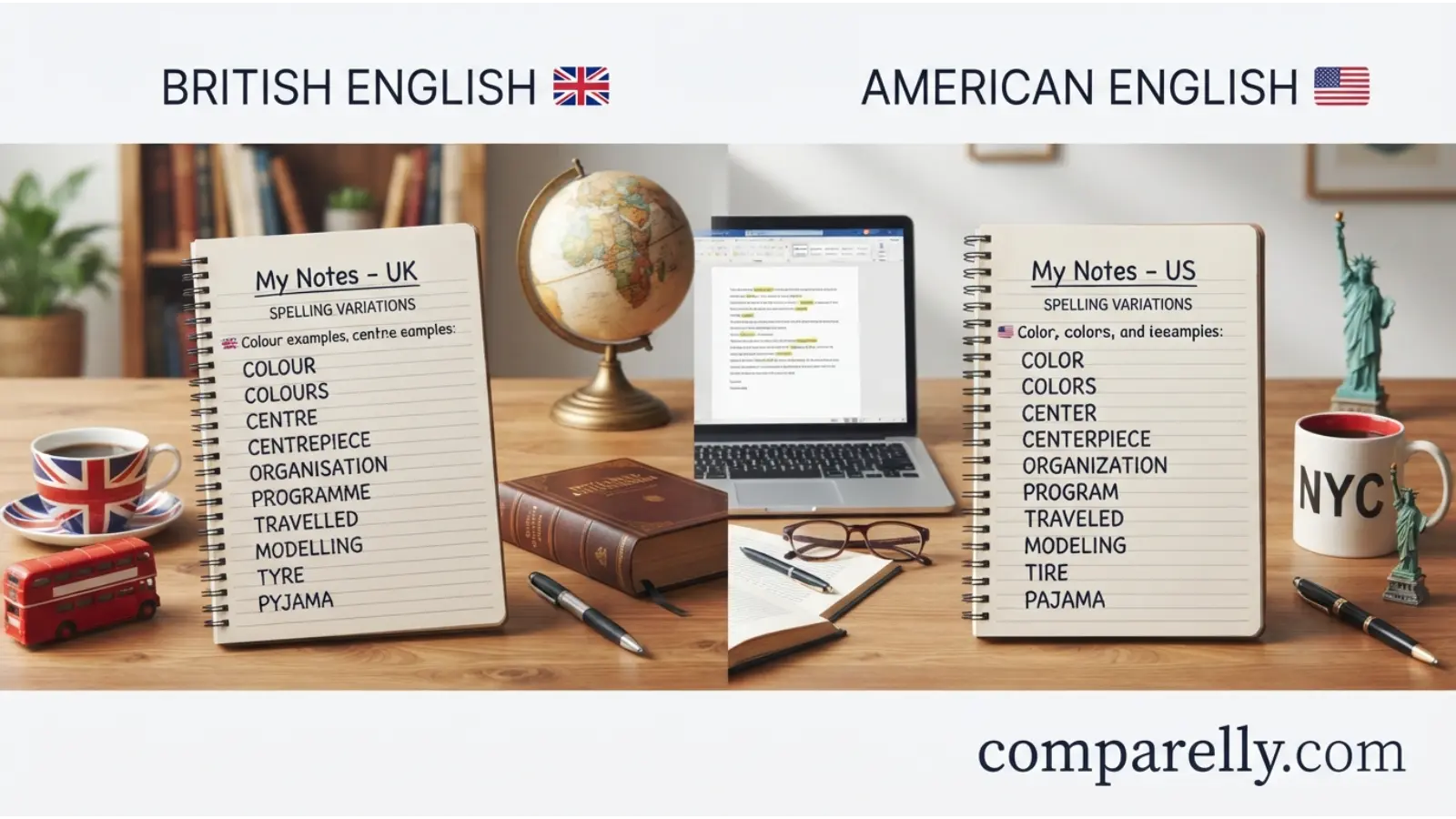
Unlike words such as colour and color, Lily and Lilly are not British and American spelling variations. Both countries generally use Lily for the flower. Lilly remains a personal or family name spelling.
Comparison Table
| Usage | British English | American English |
|---|---|---|
| Flower | Lily | Lily |
| Common First Name | Lily | Lily |
| Alternative Name Spelling | Lilly | Lilly |
| Standard Dictionary Form | Lily | Lily |
When to Use Lily
Use Lily when referring to:
- The flower
- The standard female name
- General writing and formal content
Examples
- Lily flowers grow in many gardens.
- Lily won the spelling competition.
- We planted a white lily near the fence.
When to Use Lilly
Use Lilly when referring to:
- Someone whose name is spelled Lilly
- A family surname
- A specific company or brand name
Examples
- Lilly sent me an email.
- The Lilly family owns the property.
- Her official name is Lilly.
Common Mistakes
| Incorrect | Correct |
|---|---|
| The garden has beautiful lilly flowers. | The garden has beautiful lily flowers. |
| Lily is my friend, but her name is actually Lilly. | Lilly is my friend, and that is her official name. |
| Lilly is the standard spelling of the flower. | Lily is the standard spelling of the flower. |
| Every Lily flower is spelled Lilly. | Every lily flower is spelled Lily. |
Easy Trick to Remember
Remember this simple rule:
Lily = Flower
Lilly = Usually a Person’s Name or Surname
Think of the flower first. If you are talking about the plant, use Lily.
Write 5 Examples
Example 1: School Assignment
- Lily is the correct spelling for the flower.
- Lilly may be a student’s name.
Example 2: Gardening
- We planted a lily in the backyard.
- Lilly visited the garden yesterday.
For Example 3: Social Media Post
- The pink lily looks amazing.
- Lilly shared the photo online.
Example 4: Office Communication
- Lily flowers decorated the event hall.
- Lilly approved the project proposal.
Example 5: Family Conversation
- Grandma loves lily flowers.
- Lilly is coming for dinner tonight.
Related Keywords
- lily meaning
- lilly meaning
- lily vs lilly
- lily spelling
- lilly name meaning
- lily flower definition
- is lily or lilly correct
Google Trends and Usage Data
Across the USA, UK, Australia, India, and Pakistan, Lily receives significantly more searches than Lilly. Most searches relate to the flower and the popular female name. Lilly appears mainly in searches for personal names, surnames, and businesses. Search interest shows that Lily remains the dominant and preferred spelling worldwide.
Keyword Variations Comparison
| Keyword Variation | Search Popularity |
|---|---|
| Lily | Very High |
| Lilly | Medium |
| Lily Meaning | High |
| Lily Flower | High |
| Lily Name Meaning | High |
| Lilly Name | Medium |
| Lily vs Lilly | Growing |
Final Verdict
Lily is the correct and standard spelling when referring to the flower and the most common version of the first name.
Lilly is correct only when it is someone’s official name, surname, or a specific brand spelling.
If you are unsure, choose Lily unless you are referring to a person or organization that uses Lilly.
Frequently Asked Questions
Is Lily or Lilly correct?
Both are correct, but they have different uses. Lily is the standard word for the flower.
What is the difference between Lily and Lilly?
Lily is the common spelling for the flower and name. Lilly is usually a personal or family name.
Which spelling is more common?
Lily is far more common worldwide.
Which spelling should be used in formal writing?
Use Lily unless a person’s official name is Lilly.
Why does the confusion exist?
Both spellings look similar and are used as names, causing many people to mix them up.
Conclusion
Lily Or Lilly is a spelling comparison that depends on context. Lily is the standard English spelling for the flower and is also the most common version of the female name. Lilly is mainly used as a surname, brand name, or a personal name variation. The two spellings are not British and American alternatives. They serve different purposes in writing. If you are discussing the flower, always choose Lily. If you are referring to a person whose name is officially spelled Lilly, then that spelling is correct. Understanding this distinction helps you write accurately and avoid common spelling mistakes in everyday communication.

Daniel Foster is a comparison analyst and content strategist at Comparelly.com. He specializes in researching products, services, tools, and industry trends to create clear, unbiased comparison guides. With a focus on accuracy and practical insights, Daniel helps readers understand key differences and make informed decisions with confidence. His goal is to simplify complex choices through trustworthy, easy-to-understand content.